UNISTUNIST

ADMISSIONS

발전기금
모바일메뉴 열기
 

UNIST site map

전체 메뉴 닫기
STUDENT
 
Scroll Down

UNIST Today

we are all

pioneers!

UNIque & beST

Nexus

UNIST Today

we are all

pioneers!

UNIque & beST

Nexus

Information for UNISTar

WHY UNIST

star

Global
Campus for
Future
Innovators

Research AREA

중점연구분야

Research
AREA

에너지·AI·미래산업에 집중하다

UNIST는 에너지 전환, AI, 미래산업이라는
대한민국의 핵심 과제에 연구 역량을 집중합니다.

  • 에너지 전환
  • 이차전지 · 수소 · 탄소중립
  • Ai 기반 산업 혁신
  • 반도체 · 소재 · 양자
EDUCATION INNOVATION

교육혁신프로그램

EDUCATION
INNOVATION

이론을 배우는 것을 넘어 직접
연구하며 성장하다

UNIST의 학부생부터 대학원생까지 연구의
보조가 아닌 주체로 성장하는 경험을 제공합니다.

  • 학부생 연구참여
  • 국제학회·논문참여
  • 소수정예 밀착 연구지도
industry collaboration

산학협력

industry
collaboration

연구에서 산업까지, 현장과 가장
가까운 UNIST

대한민국 최대 산업도시 울산에 위치한
UNIST는 연구 성과가 기업과 산업 현장으로
가장 빠르게 연결되는 구조를 갖추고 있습니다.

  • 기술사업화·창업지원
  • 울산 산업단지
  • 대기업 · 공기업과의 공동연구
Research support

연구지원

Research
support

젊은 UNIST, 연구에 최적화된
유연한 캠퍼스

UNIST는 가장 늦게 출범한 과기원으로,
관행에 얽매이지 않는 유연한 연구·교육 시스템을
갖추고 있습니다.

  • 빠른 신흥 분야 대흥
  • 단일 캠퍼스 기반
  • 생활.연구 일체형 구조
  • 개방형 연구 공간

Research Impact

star

전기로 켜고 끄는 고순도 단일양자광원 개발.. “양자 원천 기술”

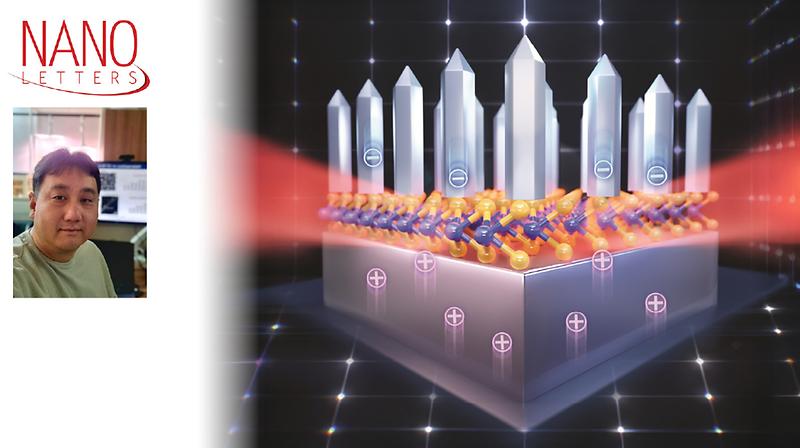
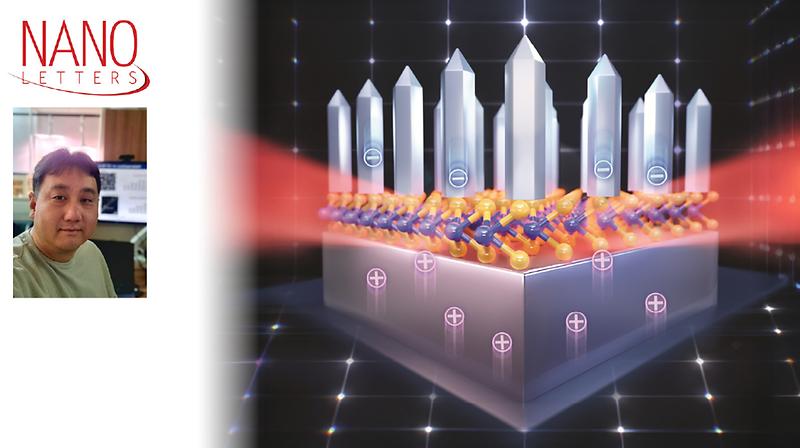
전압을 가해 켜고 끌 수 있는 단일양자광원이 새롭게 개발됐다. 광원을 켜고 끄기 위해 전압을 가하면 광자의 에너지가 변하는 부작용이 해결돼, 단일양자광원을 이용한 칩 기반 양자컴퓨팅과 양자암호통신 기술 개발을 기대할 수 있게 됐다. UNIST 물리학과 남궁선·김제형 교수팀은 스타크 효과(Stark Effect)를 억제한 2차원 반도체 물질 기반 고순도 단일양자광원을 개발했다고 23일 밝혔다. 일반적인 형광등에서 1초에 약 10¹⁸개 이상의 빛 입자(광자)가 쏟아져 나오는 것과 달리, 단일양자광원은 아주 짧은 순간(나노초)에 단 하나의 광자만을 방출하는 광원이다. 이 단일 광자를 비트(bit)와 같은 정보의 최소 단위로 활용해 양자컴퓨팅이나 양자암호통신에 쓸 수 있다. [연구그림] 2차원 반도체 물질 기반 단일양자광원을 전압으로 스위칭하는 모식도 스타크 효과는 광원을 켜고 끄기 위해 전압을 가했을 때 방출되는 광자의 에너지가 변하는 현상이다. 양자컴퓨팅이나 양자암호통신에서는 여러 광자가 서로 간섭하면서 정보를 처리하는데, 광자 에너지가 달라지면 서로 다른 광자로 구별돼 간섭과 같은 양자현상이 제대로 일어나지 않는다. 특히 여러 광원이 집적돼 전압이 불안정한 칩 환경에서는 스타크 효과가 더 문제가 된다. 연구팀은 단일양자광원 내부에 미세한 공기층을 만드는 방식으로 스타크 효과를 억제한 단일양자광원을 개발했다. 개발된 광원은 뾰족한 실리콘 나노 피라미드 위에 2차원 반도체 물질인 텅스텐 디셀레나이드(WSe₂)가 올려진 구조로, 실리콘과 반도체 사이에 공기층이 형성되어있다. 이 공기층이 2차원 반도체에 전달되는 전기장을 주변부의 약 20분의 1 수준으로 줄여줘 광자의 에너지 변화를 막는다. 또 순도도 개선됐다. 단일양자광원을 실제로 만들면 한 번에 하나의 광자가 아니라 여러 광자가 동시에 방출될 가능성이 있는데, 이번 연구에서는 이 확률값이0.06 수준으로 나타났다. 확률값이 0.5 이하이면 단일양자광원으로 간주되며 값이 0에 가까울수록 하나의 광자만 방출되는 순도가 높은 상태를 의미한다. 연구팀은 실리콘 나노 피라미드와 2차원 반도체 사이에 삽입한 고품질 절연층이 주변 결함에서 발생하는 배경 발광을 줄인 덕분이라고 설명했다. 이번 연구에는 사티아브라트 베헤라(Satyabrat Behera) 연구원과 문종성 연구원이 제1저자로 참여했다. 공동 연구팀은 “전기 신호로 단일광자를 제어하면서도 광자의 에너지를 안정적으로 유지하고, 순도까지 함께 개선한 구조를 제시한 것에 의미가 있다”며 “실리콘 반도체 공정과 호환돼 향후 칩 기반 양자 통신, 광자 양자 컴퓨팅, 양자 광학 센서 개발에 직접 활용될 수 있을 것”이라고 말했다. 연구결과는 나노 레터스(Nano Letters)에 3월 11일 온라인 게재됐다. 연구수행은 정보통신기획평가원(IITP) ITRC 사업, 한국연구재단, UNIST 미래선도형 특성화사업 등의 지원을 통해 이뤄졌다. (끝).

2026.04.02

  • 단일양자광원
  • 물리학과
  • 스타크효과
  • 양자암호통신
  • 양자컴퓨팅
  • 이차원반도체물질
  • 전압

“화학자의 직관, AI 신경망과 만났다”… 금속-리간드 배위구조 예측 모델 개발

피를 붉게 만드는 헤모글로빈, 스마트폰의 OLED 발광 소재, 플라스틱이나 신약을 만드는 산업용 촉매에는 공통점이 있다. 모두 중앙의 금속 이온을 '리간드(ligand)'라 불리는 유기 분자들이 둘러싼 금속-리간드 배위 화합물(metal–ligand coordination complexes) 구조 물질이라는 점이다. 이러한 금속-리간드 배위 화합물 소재 설계의 시행착오를 획기적으로 줄일 수 있는 하이브리드 인공지능 기술이 개발되었다. 화학과 바르토슈 그쥐보프스키 특훈교수팀(IBS 인공지능 및 로봇 기반 합성 연구단 단장)은 복잡한 유기 리간드와 금속 간의 배위 결합 구조를 예측하는 하이브리드 AI 기술을 개발했다. 금속-리간드 배위 화합물에서 금속 이온이 유기 분자와 어떻게 "손을 잡는지"(배위)를 예측하는 일은 숙련된 과학자들에게도 매우 까다로운 과제다. 복잡한 유기 리간드 내에는 금속과 결합 가능한 지점이 여러 곳 존재할 뿐만 아니라, 금속의 종류와 산화 상태에 따라 실제 결합 수와 방식이 크게 달라지기 때문이다. 이로 인해 발생할 수 있는 구조적 조합은 수십에서 수백 가지에 이른다. 연구팀은 컴퓨팅 파워를 높이는 대신, '화학자의 직관'을 AI에 주입함으로써 이 문제를 해결하고자 했다. 단순한 패턴 인식을 넘어, 고전적인 화학 원리가 신경망에 직접 인코딩된 하이브리드 AI 기술이다. 연구팀은 "Cambridge Structural Database (CSD)의 10만 개 이상의 결정 구조를 처리하여, 기존의 유사 방식들과는 달리 각 금속의 특성과 산화 상태를 '이해'하는 머신러닝 모델을 훈련시켰다"고 설명했다. 그쥐보프스키 교수는 "이 기술은 대규모 계산 파이프라인의 핵심 구성 요소가 될 것"이라며, "의약품부터 기능성 소재 제조에 이르기까지 널리 쓰이는 전이 금속 촉매를 설계하는 데 매우 유용하게 활용될 것으로 기대한다"고 밝혔다. 연구팀은 고난도 화학 연구의 문턱을 낮추기 위해 Python 기반의 오픈소스 패키지인 'RDMetallics'와 전용 웹 포털(coordinate.rdmetallics.net)을 함께 공개했다. 이제 전 세계 어디서든 소규모 연구실의 연구자라도 별도의 코딩 경험이나 고가의 연구 장비 없이 브라우저에서 직접 복잡한 배위 모드를 예측할 수 있게 되었다고 설명했다. 이번 연구는 기초과학연구원(IBS)의 지원을 받아 이뤄졌으며, 화학 분야 국제 학술지 '앙게반테 케미 인터내셔널 에디션(Angewandte Chemie International Edition)'에 2월 21일 온라인 공개됐다.

2026.04.01

  • 금속-리간드
  • 배위결함
  • 배위화합물
  • 신소재
  • 신약
  • 유기금속착화물
  • 인공지능
  • 촉매
  • 캠브리지구조데이터베이스
  • 화학과

원자 배열 흩트렸더니 배터리 초기 에너지 손실 0.6%로 뚝

차세대 배터리 양극인 ‘리튬 과잉 층상 산화물’ 소재의 구조 붕괴를 해결할 수 있는 기술이 나왔다. 배터리의 에너지 효율을 낮추고 수명을 줄이는 요인을 제거해 리튬 과잉 층상 산화물 양극재를 이용한 고에너지 밀도 배터리 개발이 빨라질 전망이다. UNIST 에너지화학공학과 이현욱 교수와 포항가속기연구소 정영화 박사, KAIST 서동화 교수팀은 원자 배열을 일부러 무질서하게 설계해 구조 붕괴를 억제함으로써 에너지 효율 저하를 잡은 리튬 과잉 층상 산화물 양극 소재를 개발했다고 12일 밝혔다. 리튬 과잉 층상 산화물은 금속만 반응에 참여하는 일반 배터리와 달리 산소까지 반응에 참여해 배터리 용량을 크게 높일 수 있는 차세대 소재지만, 이 과정에서 발생하는 연쇄적인 구조 붕괴가 고질적인 문제다. 구조 변형 때문에 첫 충·방전 시 전압 차이와 에너지 손실이 커지고, 충·방전이 반복될수록 전압이 점차 떨어져 배터리 수명을 다하게 된다. [연구그림] 무질서한 원자 배열을 통한 층간 슬라이딩 억제와 구조 안정성 향상 연구팀은 금속 원자 배열을 불규칙하게 섞는 방식으로 이러한 구조 붕괴를 억제한 리튬 과잉 층상 산화물을 개발했다. 불규칙한 배열이 오히려 첫 충전 시 층 전체가 한 번에 미끄러지는 현상을 막고 물리적 스트레스를 고르게 분산시켜, 구조의 뼈대가 되는 전이 금속과 산소 간의 결합을 유지 시켜준 덕분이다. 이러한 원리는 밀도범함수(DFT) 이론계산과 포항가속기연구소의 첨단 방사광 가속기 분석을 통해 교차 검증됐다. 이 전극의 성능 평가 결과, 첫 번째 충전과 방전 전압 간 차이가 기존 소재의 절반 수준인 0.31V로 감소했으며, 초기 에너지 손실이 0.6%에 그쳤다. 반면 원자 배열이 규칙적인 기존 소재는 첫 충전 전압과 방전 전압의 차이가 2배로 벌어졌으며, 25.8%의 에너지가 손실됐다. 충전 전압과 방전 전압 차이가 클수록 에너지 손실이 크다. 또 이후 충·방전을 반복할 때 나타나는 전압 감소 속도도 사이클당 10분의 1수준으로 낮아져 160회 충·방전 이후에도 초기 에너지의 98%를 유지했다. 제1저자인 최명준 연구원은 “결함으로 치부되던 원자 배열의 무질서함을 역으로 이용해 구조적 안정성을 확보한 접근”이라며 “특정 조성에 국한되지 않고 다양한 리튬 과잉 층상 산화물 양극 소재에 적용될 수 있는 보편적 접근법”이라고 설명했다. 이현욱 교수는 “리튬 과잉 층상 산화물은 이론적으로 매우 높은 에너지 밀도를 낼 수 있는 유망한 양극 소재지만 구조 붕괴와 전압 감소 문제로 상용화에 어려움이 있었다”라며 “이번 기술은 더 작고 가벼우며 더 많은 전기에너지를 저장할 수 있는 차세대 고에너지 밀도 배터리 상용화에 도움이 될 것”이라고 기대했다. 이번 연구는 과학기술정보통신부 한국연구재단 나노·미래소재원천기술개발사업과 원천기술 국제협력개발사업의 지원으로 수행됐으며, 연구 결과는 에너지 분야 국제학술지인 에이씨에스 에너지 레터스(ACS Energy Letters)에 2월 3일 온라인 게재됐다. (끝)

2026.03.30

  • KAIST
  • 리튬과잉층상산화물
  • 무질서도
  • 에너지화학공학과
  • 이차전지
  • 전극
  • 층상소재
  • 포항가속기연구소

“유리창 너머 멋진 풍경만 찰칵” .. 반사상 분리하는 AI모델 개발

창문 너머 풍경을 촬영하다 보면 유리창에 비친 내 모습이나 실내 조명이 함께 찍혀 아쉬울 때가 많은데, 이러한 반사상을 말끔하게 지워줄 수 있는 새로운 인공지능 기술이 개발됐다. 인공지능대학원 심재영 교수팀은 다양한 반사 조건에서도 안정적으로 작동하는 범용 단일 이미지 반사 분리 AI 모델을 개발했다. 일상에서 찍는 사진은 사진 한 장에 강도와 모양이 저마다 다른 반사광이 섞여 있다. AI 기술을 이용하면 반사상을 분리해 낼 수 있지만 기존 기술들은 이런 사진 전체를 하나의 동일한 방식으로만 처리하려다 보니, 복잡한 반사 패턴을 지워내는 데 어려움이 있었다. 연구팀은 이미지를 구역별로 나눠 맞춤 처리한 뒤, 사진 속에 겹쳐 있는 배경(투과 영상)과 유리에 비친 반사 영상의 정보를 상호 보완적으로 활용하는 방식을 통해 분리 성능을 높였다. ‘상보적 전문가 혼합(CoME, Complementary Mixture-of-Experts)’과 ‘상보적 교차 어텐션(CoCA, Complementary Cross-Attention)’ 기법을 적용한 것이다. ‘상보적 전문가 혼합’ 기법은 입력 이미지를 여러 개의 구역으로 나눈 뒤, 각 영역의 반사 특성에 가장 적합한 전문가(Expert) 네트워크를 동적으로 할당해 특징을 추출하는 방식이다. 이 과정에서 투과 및 반사 영상을 처리하는 두 개의 정보 흐름(Stream)이 자신의 영상 복원에 필요한 핵심 정보뿐만 아니라 상대방에게 유용한 보조 정보까지 함께 추출한 다음, 서로 특징을 교환하고 융합하게 했다. 상보적 교차 어텐션 기법은 추출된 정보를 이용해 이를 다시 복원하는 과정에서 활용됐다. 기존의 어텐션 기법은 상관관계가 높은 영역에만 집중하는 경향이 있었으나, 상보적 교차 어텐션 기법은 상관관계가 높은 영역과 낮은 영역을 동시에 고려한다. 상관관계가 낮은 영역에도 반사상 분리를 위한 유의미한 정보가 존재한다는 점에 주목한 기술이다. 실제 환경에서 수집된 다양한 데이터셋을 활용한 실험 결과, 제안 기법은 기존 반사 분리 방법들을 정량·정성적 평가 모두에서 크게 상회하는 성능을 기록했다. 특히 기존 모델들이 제거하지 못하던 복잡한 반사 왜곡 상황에서도 안정적인 분리 성능을 입증했다. 심재영 교수는 “현실 세계의 반사 현상은 공간적으로 불규칙하고 강도도 일정하지 않아 기존의 정적인 네트워크 구조로는 한계가 뚜렷했는데, 맞춤형 전문가를 동적으로 할당하고 상보적 교차 어텐션으로 정보를 융합하는 방식으로 이를 해결했다”며 “영상, 사진편집, 자율 주행과 같은 기술에 적용될 수 있을 것"이라고 설명했다. 이번 연구는 과학기술정보통신부 정보통신기획평가원 및 한국연구재단의 지원을 받아 수행됐다. 연구 결과는 영상 처리 분야 최고 권위 국제학술지인 ‘IEEE Transactions on Image Processing (IEEE TIP)’에 게재됐다.

2026.03.25

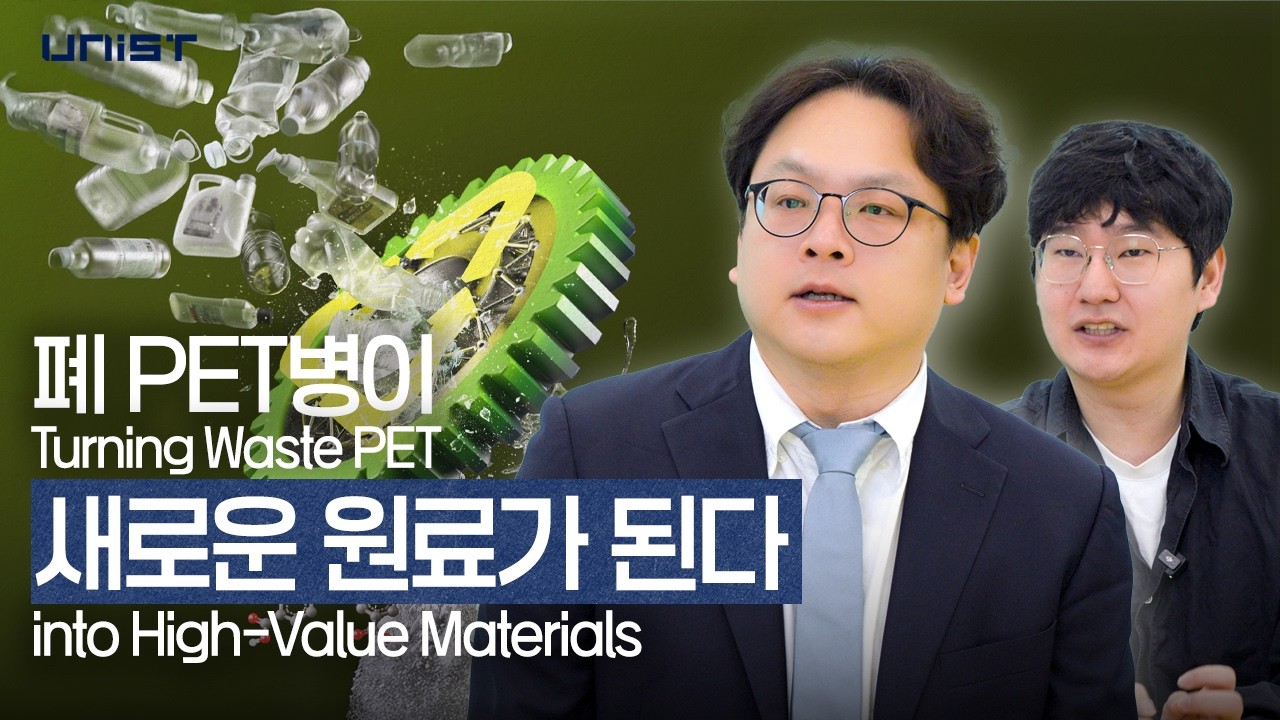
“내가 분리수거한 페트병이 다시 생수병 원료로”.. 폐PET 분해 기술 개발

페트병은 가장 재활용이 잘 되는 플라스틱으로 알려졌지만 실상 다시 페트병 원료로 사용되는 비율은 20% 안팎이고, 대부분 저급 섬유나 충전재로 쓰인 뒤 폐기된다. 이 폐페트병을 고품질 페트병 원료로 되돌리는 동시에 수소까지 생산할 수 있는 기술이 나왔다. UNIST 에너지화학공학과 류정기 교수와 오태훈 교수팀은 저온에서 페트(PET) 폐기물을 화학적으로 분해하고 청정 수소나 전기를 생산하는 다기능성 촉매 기술을 개발했다고 11일 밝혔다. 현재 페트 플라스틱 재활용은 이를 잘게 부순 뒤 녹이는 방식이 대부분이다. 이 방식으로는 투명 페트병 원료를 만들어낼 수 없어 결국 한 단계 품질이 낮은 섬유나 충전재로 쓰인 뒤 수명을 다하게 된다. 고품질 원료로 되돌릴 수 있는 화학 분해 공정이 있긴 하지만 200℃ 이상의 고온과 복잡한 정제 공정이 필요한 탓에 석유화학 공정에서 생산된 원료보다 비싸다. [연구그림] 이중 기능성 촉매를 활용한 공정 모식도 연구팀이 개발한 공정은 100℃에서 이뤄지며, 분리정제도 간단하다. 분쇄 페트병을 물, 용매(DMSO), 폴리옥소메탈레이트 촉매와 섞어 가열하는 방식이다. 촉매가 페트 플라스틱을 고체 형태의 테레프탈산과 액체 형태의 에틸렌글리콜로 분해하게 된다. 여과기 필터로 에틸렌글리콜을 걸러내면 고품질 페트병 원료인 테레프탈산만 남길 수 있다. 무엇보다 이 공정은 고부가가치 포름산도 함께 생산되며, 사용된 촉매를 수소나 전력 생산에 다시 재활용할 수 있다는 장점이 있다. 촉매가 페트 플라스틱을 분해하는 역할뿐만 아니라 전자를 저장하는 ‘건전지’ 기능도 할 수 있기 때문이다. 에틸렌글리콜이 촉매와 반응해 포름산으로 바뀌고, 이때 촉매가 에틸렌글리콜에서 전자를 추출해 저장하는 원리다. 전자를 품은 촉매를 수소 생산 장치로 보내면 일반적인 물 전기분해보다 낮은 전압에서 수소를 만들어 낼 수 있으며, 레독스 연료전지의 연료로 활용하면 저장된 전자를 뽑아내 전기를 생산하는 것도 가능하다. [연구그림] 촉매에 저장된 전자를 활용해 친환경 수소와 전기를 생산하는 시스템 실제 실험에서도 물 전기 분해 전압보다 최대 25% 낮은 1.2볼트(V)의 전압에서 수소를 만들어냈으며, 연료전지는 전극 1cm²당 12.5 밀리와트(mW)의 전력을 생산했다. 경제성 평가 결과, 개발된 공정을 통해 생산된 재생 테레프탈산의 최소 판매 가격은 kg당 0.81달러로 추산됐다. 기존 화학 분해 재활용 기술과 비교해 최대 46% 저렴한 수준이며, 원유에서 뽑아낸 테레프탈산 원료의 시장 가격과 비교해도 더 낮다. 저온 공정과 단순 여과 분리로 생산 비용을 줄이고 포름산과 수소 생산을 통해 수익성을 높인 덕분이다. 류정기 교수는 “폐페트병에서 고품질의 플라스틱 원료를 얻어내고 동시에 수소 생산까지 이어지는 공정 개발을 통해 원유에서 뽑아낸 원료에 버금가는 가격 경쟁력을 확보할 수 있었다”라며 “플라스틱 순환 경제를 구축하고 친환경 수소 생산 비용을 절감하는 데 크게 기여할 수 있을 것”이라고 기대했다. 이번 연구는 과학기술정보통신부 한국연구재단(NRF) 및 UNIST 하이드로 스튜디오(hydro*studio) 이노코어(InnoCORE) 사업, 교육부와 울산광역시의 지역혁신중심 대학지원체계(RISE), 지역혁신선도연구센터(RLRC) 사업의 지원을 받아 수행되었으며, 국제 학술지인 ‘그린 케미스트리(Green Chemistry)’의 2026년 8호 후면 표지 논문으로 게재됐다.

2026.03.24

  • PMA
  • 생수병
  • 에너지화학공학과
  • 이중기능성촉매
  • 페트분해
  • 페트플라스틱
  • 플라스틱

전기차 주행거리는 늘리는 LFP 배터리 양극 개발

가격 경쟁력을 앞세워 전기차 시장을 빠르게 점유해 나가고 있는 LFP 배터리의 최대 약점인 ‘짧은 주행거리’를 개선할 수 있는 전극이 개발됐다. UNIST 에너지화학공학과 강석주 교수팀은 숙명여자대학교 주세훈 교수, 광주과학기술원 이은지 교수팀과 함께 전극 내 ‘활성물질’ (활물질) 함량을 99%까지 끌어올린 LFP 배터리 양극을 개발했다고 9일 밝혔다. LFP 배터리는 화재위험이 낮고 가격이 저렴한 배터리지만, 용량이 작아 한 번 충전으로 달릴 수 있는 거리가 짧다. 전기를 실제 저장하는 LFP 활물질의 전기전도도가 떨어지는 것이 그 원인 중 하나다. 전도도가 떨어지니 전기가 흐르는 길을 깔아주는 역할의 도전재를 많이 넣어야 하고, 도전재와 활물질 가루들을 모아 전극에 고정해 주는 바인더 역시 그만큼 많이 투입돼야 했다. 활물질 함량이 떨어져 결국 같은 무게의 배터리팩을 만들면 전기 저장량이 줄어들 수밖에 없다. 연구팀은 도전재 역할을 함께할 수 있는 기능성 바인더 조합을 설계해 비활성 물질 함량을 1% 수준으로 낮춘 전극을 개발할 수 있었다. 도전재와 접착제 역할을 할 수 있는 전도성 고분자(PEDOT:PSS)를 기반으로 폴리에틸렌글리콜과 탄소나노튜브(SWCNT)를 첨가한 조합이다. 폴리에틸렌글리콜은 전도성 고분자 사슬을 정렬하고 접착력을 높여주며, 탄소나노튜브는 전기가 흐르는 길을 보강해 주는 역할이다. [연구그림] 활성물질 함량 99%인 LFP 전극의 구조와 성능 이 전극은 도전재 함량을 상용 LFP 전극에 비해 90% 이상 줄였음에도 불구하고 우수한 출력 성능을 보였다. 7.5분 만에 전체 배터리 용량을 모두 방전 수준의 8C 고속 방전 조건에서도 132mAh/g의 높은 용량을 기록한 것이다. 출력은 급가속과 같은 상황에서 빠르게 전기를 뽑아 쓰는 힘인데, 도전재 함량이 줄어들면 출력이 떨어지는 것이 일반적이다. 또 상용 음극인 흑연과 결합했을 때도 125mAh/g의 용량을 유지했으며, 배터리 작동 환경과 유사한 섭씨 60도의 고열에서 안정적으로 작동했다. 단위 면적당 용량도 3.5 mAh 이상을 기록했는데, 이는 한정된 공간 안에 활물질을 최대한 두껍고 밀도 있게 꽉 채워 주행거리를 늘려야 하는 전기차 배터리에 매우 유리한 특성이다. 개발된 전극은 친환경적이고 배터리 제조 단가도 낮출 수 있다. 전극에 쓰는 기존 바인더들은 불소계 물질인데, 이를 녹여 전극판에 바르려면 독성 유기용매를 써야 한다. 독성 물질을 안전하게 처리하기 위해는 공장에 비싼 회수 설비가 들어가고 이는 고스란히 제조 원가 상승으로 이어진다. 게다가 불소 화합물은 최근 전 세계적으로 강력한 환경 규제 대상에 오르며 퇴출 압박을 받고 있는 물질이다. 강석주 교수는 “전극에 쓰이는 바인더 조합을 개발해 활물질 비중을 크게 높여 LFP 배터리의 고질적인 용량 문제를 해결했다”며 “불소계 바인더와 독성 용매를 쓰지 않는 공정이 가능해 제조 경쟁력 측면에서도 의미가 있다”고 설명했다. 이번 연구는 한국연구재단(NRF), 울산과학기술원(UNIST), 과학기술정보통신부(InnoCORE)의 지원을 받아 수행됐다. 연구 결과는 에너지 소재 분야의 세계적인 학술지인 ‘에너지저장물질(Energy Storage Materials, IF 20.2)’에 2월 14일 온라인 게재됐다.

2026.03.23

  • LFP
  • 도전재
  • 리튬인산철배터
  • 바인더
  • 배터리용량
  • 에너지화학공학과
  • 활물질
  • 활물질저함량
  • 활물질함량99%

더보기

Research Impact

star

When Chemical Intuition Meets Neural Networks: Hybrid AI Algorithm Predicts Metal–Ligand Coordination Structures

Hemoglobin, which gives blood its red color, the light-emitting materials in smartphone OLED displays, and catalysts used in manufacturing plastics and pharmaceuticals—all share a common feature that is they all involve metal–ligand coordination complexes. In these structures, a central metal ion is surrounded by organic molecules, known as ligands. Now, a novel artificial intelligence (AI) algorithm offers the promise of designing these complex materials more swiftly and accurately, significantly reducing trial-and-error efforts. Predicting how a metal ion will 'shake hands' with an organic molecule is an inherently complex task, often challenging even for seasoned scientists. This difficulty arises because organic ligands contain multiple potential binding sites, and the number and mode of coordination can vary widely depending on the specific metal and its oxidation state. As a result, dozens or even hundreds of potential structural configurations can exist. Led by Distinguished Professor Bartosz A. Grzybowski of the Department of Chemistry and Director of the Center for Algorithmic and Robotized Synthesis (CARS) within the Institute for Basic Science (IBS) at UNIST, the research team has addressed this challenge not through increased computational power, but by integrating 'chemical intuition' directly into AI. Published in Angewandte Chemie, their hybrid AI approach moves beyond simple pattern recognition by encoding fundamental chemical principles into neural networks. Figure 1. An AI-powered hybrid model predicts metal–ligand coordination modes by integrating chemical rules from crystal structures with machine learning, enabling accurate design of complex organometallic structures. "We have developed a 'hybrid' strategy that combines classical chemical knowledge with machine learning to accurately predict how metals and organic ligands bind," explains Professor Grzybowski. "By analyzing over 100,000 crystal structures from the Cambridge Structural Database, we trained a model that 'understands' the specific behavior of different metals and their oxidation states—something previous models could not achieve." This innovative technology is poised to become a key component in large-scale computational pipelines. Professor Grzybowski notes, “We expect it to be highly valuable in designing transition metal catalysts used across industries—from pharmaceuticals to advanced functional materials.” To make this cutting-edge tool accessible worldwide, the team has released RDMetallics, an open-source, Python-based software package, along with a dedicated web portal (coordinate.rdmetallics.net). Researchers anywhere in the world can now predict complex metal–ligand coordination modes directly through their web browsers—no coding skills or expensive hardware required. Supported by the Institute for Basic Science (IBS), this research was published online on Angewandte Chemie International Edition on February 21, 2026. Bartosz A. Grzybowski Distinguished Professor, Department of Chemistry, UNIST Director, IBS Center for Robotized and Algorithmic Synthesis (CARS) E: grzybor72@unist.ac.kr William I. Suh IBS Public Relations Team E: willisuh@ibs.re.kr Story Source Materials provided by the Institute of Basic Science. Journal Reference Galymzhan Moldagulov, Kisung Lee, Sanzhar Nurgaliyev, et al., "Hybrid Computational Strategy for Predicting Complex Ligand–Metal Architectures," Angew. Chem. Int. Ed. (2026). https://doi.org/10.1002/anie.202524655

2026.04.03

  • AI
  • Bartosz A. Grzybowski
  • CARS
  • Center for Robotized and Algorithmic Synthesis
  • Chemistry
  • Department of Chemistry
  • IBS
  • Neural Networks
  • RDMetallics
  • UNIST

Targeting COL6A3-C5 with Nigericin to Reduce Endotrophin and Enhance Metabolic Health in Obesity

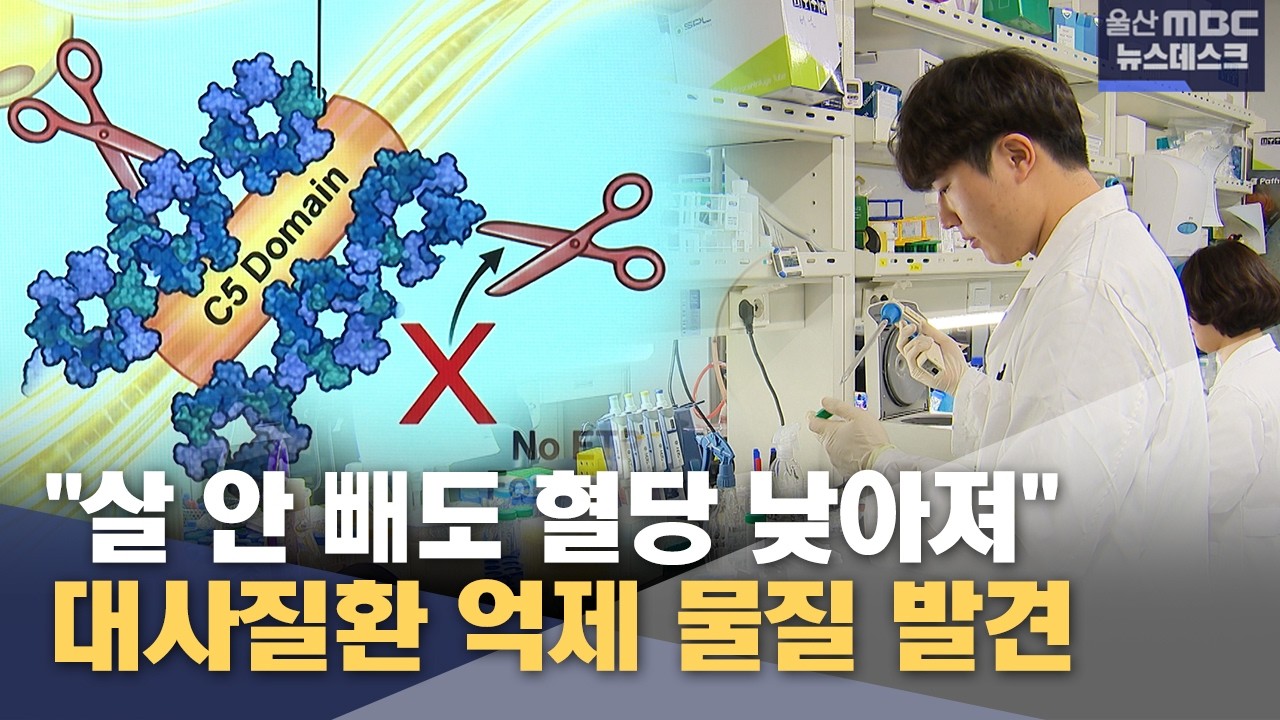
Abstract Endotrophin, a cleavage product of collagen VIα3 (COL6A3), contributes to fibroinflammation in adipose tissue and exacerbates systemic insulin resistance in obesity. Previously, we demonstrated that various hypoxia-induced matrix metalloproteinases (MMPs) are directly involved in the cleavage of COL6A3 to generate endotrophin in obese adipose tissue; thus, inhibition of endotrophin generation by blocking MMP access could be beneficial for treating obesity-related metabolic disease. Here we identified nigericin as an inhibitor of endotrophin generation, which improves fibroinflammation and insulin sensitivity in both hypoxic adipocytes in vitro and diet-induced obese mice in vivo. Mechanistically, nigericin directly binds to the COL6A3-C5 domain, competing with MMPs and thereby disrupting the interactions between the COL6A3-C5 domain and MMPs. This interference prevents the cleavage of endotrophin from the COL6A3 by MMPs, ultimately inhibiting its generation. Taken together, these results strongly suggest that pharmacological blockade of endotrophin cleavage, by using nigericin, effectively decreases endotrophin levels and improves endotrophin-mediated fibroinflammation and insulin resistance in obesity. Furthermore, this new therapeutic strategy could be applied to various metabolic diseases and solid tumors where endotrophin levels are pathologically elevated. Obesity is known to be a major risk factor that exacerbates metabolic disorders, such as type 2 diabetes. A key molecule involved in this process is endotrophin, a signaling protein that links excess fat accumulation to metabolic decline. Recent research from UNIST has identified a natural compound, capable of directly inhibiting endotrophin production, paving the way for innovative therapeutic interventions. Led by Professor Jiyoung Park of the Department of Biological Sciences, the research team demonstrated that nigericin, a natural substance derived from microorganisms, effectively suppresses endotrophin synthesis in obese adipose tissue. Their findings reveal that nigericin reduces fibrosis and inflammation within fat tissue while significantly improving insulin sensitivity. Obese adipose tissue often undergoes hypoxia, which triggers chronic inflammation and pathological extracellular matrix remodeling. This process leads to increased production of endotrophin, a fragment of collagen VIα3 (COL6A3), known to impair adipose function and worsen metabolic health. The team uncovered that nigericin binds specifically to a region of COL6A3, preventing matrix metalloproteinases (MMPs)—enzymes responsible for collagen cleavage—from accessing their substrate. By occupying this site, nigericin blocks endotrophin formation at the molecular level. Figure 1. Schematic representation of the proposed mechanism by which NGC regulates ETP generation and improves insulin sensitivity in obese AT. "This strategy is particularly noteworthy because it directly targets the initial step in endotrophin production, unlike traditional therapies that indirectly suppress inflammation or alter gene expression," explained the research team. "It offers a new paradigm for disrupting the pathological signaling pathways underlying metabolic diseases." In preclinical models, administration of nigericin to high-fat diet-fed mice resulted in marked reductions in adipose tissue fibrosis and inflammation. These effects occurred without adverse effects on liver or kidney function. Notably, fasting blood glucose levels decreased by approximately 30%, and insulin sensitivity was significantly improved. The researchers screened over 1,000 natural compounds and identified nigericin—produced by actinomycetes—as a promising candidate, owing to its ability to stably inhibit endotrophin synthesis without directly affecting proteolytic enzymes. Professor Park concluded, "This discovery reveals a novel molecular mechanism for controlling endotrophin levels and highlights the potential for developing targeted therapies for obesity, diabetes, and other conditions characterized by fibroinflammation, including certain cancers." Supported by the Ministry of Science and ICT (MSIT) and the National Research Foundation of Korea (NRF), the study was published online in Experimental & Molecular Medicine, on March 5, 2026. Journal Reference Chu-Sook Kim, Woobeen Jo, Jungsun Yoo, et al., "Targeting COL6A3-C5 with nigericin suppresses endotrophin formation and enhances insulin sensitivity in obesity," Exp. Mol. Med., (2026).

2026.04.01

  • Bio
  • COL6A3
  • Department of Biological Sciences
  • Endotrophin
  • Experimental & Molecular Medicine
  • Jiyoung Park
  • Nigericin

Advanced Interface Engineering for High-Performance Solar Cells and Green Hydrogen

Abstract Self-assembled monolayer (SAM)-based hole-selective layers (HSLs) offer a promising route to defect-passivated and energy-aligned interfaces in perovskite organic tandem solar cells (POTSCs). However, their practical implementation remains hindered by weak anchoring to transparent conductive oxides (TCOs), leading to desorption during perovskite deposition and poor interfacial durability under polar solvent exposure. Here, we present a chemical interfacial stabilization strategy in which potassium carbonate (K2CO3) mediates the controlled deprotonation of [2-(9H-carbazol-9-yl)ethyl]phosphonic acid (2PACz), forming mixed mono- and di-deprotonated species (2PACz-K) that bind strongly to indium tin oxide (ITO). The resulting SAM exhibits superior solvent resistance, improved energy-level alignment, and enhanced buried interface quality. POTSCs incorporating 2PACz-K achieve 25.10% power conversion efficiency (PCE) with a high open-circuit voltage (VOC) of 2.230 V, while retaining 80% of their initial PCE after 220 h of maximum power point (MPP) tracking under simulated 1-sun illumination. Beyond photovoltaics, the robust 2PACz-K interface is further integrated into a perovskite/organic tandem photocathode (POT-PEC), representing the first transparent, metal-free tandem PEC architecture capable of stable operation in aqueous electrolyte, delivering a photovoltage (Vph) of 2.16 V and achieving a solar-to-hydrogen (STH) conversion efficiency of 7.7%. This work establishes a versatile interfacial design paradigm that bridges photovoltaic and photoelectrochemical energy conversion. Researchers at UNIST have unveiled a novel interface engineering technique that significantly improves both the performance and durability of perovskite/organic tandem solar cells (POTSCs). Published in the February 2026 issue of Energy & Environmental Science, their study demonstrates how precise control of self-assembled monolayers (SAMs) at the molecular level can lead to more stable, high-efficiency solar devices and open new pathways for solar-driven hydrogen production. POTSCs are among the most promising photovoltaic technologies, combining different light-absorbing materials to maximize energy conversion. However, instability at the interface between the transparent electrode and the perovskite layer has long hampered their long-term reliability, especially under operational conditions. Led by Professors Jin-Young Kim and Dong-Seok Kim from the Graduate School of Carbon Neutrality, along with Professor Seung-Jae Shin from the School of Energy and Chemical Engineering, the team developed a method to chemically stabilize this critical interface. They focused on a self-assembled monolayer (SAM) known as 2PACz, which facilitates hole extraction in solar cells. Figure 1. Schematic illustration of the device structure of POTSCs with 2PACz-K and their performance. By introducing potassium carbonate (K₂CO₃), the team induced a controlled deprotonation of 2PACz molecules—partially removing hydrogen ions from their phosphonic acid groups. This process creates a mixture of mono- and di-deprotonated species (referred to as 2PACz-K), which acquire a negative charge and form stronger, more stable bonds with indium tin oxide (ITO) electrodes. This enhanced bonding results in an interface that is more resistant to solvents used during device fabrication, maintaining uniformity and stability. Devices fabricated with this chemically tailored interface demonstrated remarkable performance: perovskite solar cells achieved a power conversion efficiency (PCE) of 25.1% and an open-circuit voltage (VOC) of 2.23 V. Moreover, these cells retained over 80% of their initial efficiency after 220 hours of continuous operation under simulated sunlight, indicating substantial improvements in operational stability. The team also applied this interface engineering approach to photoelectrochemical (PEC) cells designed for water splitting. The resulting tandem PEC device exhibited a high photovoltage of 2.16 V and achieved a solar-to-hydrogen (STH) conversion efficiency of 7.7% without the need for external bias—marking a significant step toward practical, solar-driven hydrogen generation. Professor Jin-Young Kim stated, "Controlling the chemical state of interfaces at the molecular level allows us to dramatically improve both the efficiency and long-term stability of solar energy devices. This strategy offers a promising avenue for developing integrated systems that convert sunlight directly into electricity and hydrogen, supporting a sustainable energy future." The study has been supported by the National Research Foundation of Korea (NRF) and the Ministry of Science and ICT (MSIT). Journal Reference Jung Geon Son, Ha-eun Koo, Woojin Lee, et al., "Deprotonated self-assembled molecules as robust hole-selective layers for perovskite/organic tandem solar cells and photocathodes," Energy Environ. Sci., (2026).

2026.03.27

  • CN
  • Dong-Seok Kim
  • ECE
  • ECHE
  • Energy Environmental & Science
  • Graduate School of Carbon Neutrality
  • Green hydrogen
  • hydrogen production
  • Jin Young Kim
  • Perovskite solar cells
  • POTSCs
  • SAMs
  • School of Energy and Chemical Engineering
  • Seung-Jae Shin
  • Tandem solar cells

New Study Unveils Adaptive AI Breakthrough for Reflection Separation in the Wild

Abstract Single Image Reflection Separation (SIRS) aims to reconstruct both the transmitted and reflected images from a single image that contains a superimposition of both, captured through a glass-like reflective surface. Recent learning-based methods of SIRS have significantly improved performance on typical images with mild reflection artifacts; however, they often struggle with diverse images containing challenging reflections captured in the wild. In this paper, we propose a universal SIRS framework based on a flexible dual-stream architecture, capable of handling diverse reflection artifacts. Specifically, we incorporate a Mixture-of-Experts mechanism that dynamically assigns specialized experts to image patches based on spatially heterogeneous reflection characteristics. The assigned experts then cooperate to extract complementary features between the transmission and reflection streams in an adaptive manner. In addition, we leverage the multi-head attention mechanism of Transformers to simultaneously exploit both high and low cross-correlations, which are then complementarily used to facilitate adaptive inter-stream feature interactions. Experimental results evaluated on diverse real-world datasets demonstrate that the proposed method significantly outperforms existing state-of-the-art methods qualitatively and quantitatively. Capturing a picturesque scene through reflective materials, such as glass, often results in an unintended superimposition—showing both the transmitted scene and undesired reflected scene. While traditional reflection removal techniques have made progress, they frequently struggle with complex reflection patterns and varying lighting conditions, leaving residual artifacts that diminish image quality. Recent advances in artificial intelligence are now providing powerful new solutions. Led by Professor Jae-Young Sim from the Graduate School of Artificial Intelligence at UNIST, researchers have developed an innovative AI model that effectively separates reflections from the transmitted scene, enabling clearer and more authentic views beyond the reflective surface. Recognizing the limitations of existing methods, which often falter in complex and spatially heterogeneous reflection scenarios, the team designed an approach that intelligently segments the superimposed image for targeted analysis. This segmentation allows for precise removal of reflections while maintaining the integrity of the transmitted scene. The core of this breakthrough lies in two techniques, which are Complementary Mixture-of-Experts (CoME) and Complementary Cross-Attention (CoCA). CoME employs a mixture-of-experts (MoE) architecture that dynamically assigns specialized neural networks—referred to as 'experts'—to different regions within an image based on local reflection characteristics. These experts collaboratively analyze both the transmitted and reflected layers, exchanging relevant information to improve separation accuracy, especially in regions with diverse reflection patterns. CoCA enhances the reconstruction process by considering both strongly correlated and weakly correlated regions. Unlike traditional attention mechanisms that focus solely on highly related areas, CoCA recognizes that meaningful reflection details can also exist in less correlated regions, enabling a more comprehensive and effective separation. Extensive evaluations on diverse real-world datasets demonstrate that this approach surpasses existing state-of-the-art methods in both visual quality and quantitative performance. It remains robust even in challenging scenarios with intricate reflection distortions—areas where prior models often underperform. Professor Sim remarked, "Reflections in natural scenes are inherently complex and vary widely. Traditional neural networks often struggle to handle this variability. Our approach, with its adaptive expert allocation and dual attention mechanisms, offers a more flexible and effective solution. We believe this technology has significant potential across a range of imaging applications, from photography to autonomous systems." Supported by the Institute for Information & Communications Technology Planning & Evaluation (IITP) and the National Research Foundation of Korea (NRF), this research has been published in the IEEE Transactions on Image Processing. Journal Reference Jonghyuk Park and Jae-Young Sim, "Complementary Mixture-of-Experts and Complementary Cross-Attention for Single Image Reflection Separation in the Wild," IEEE TIP, (2026).

2026.03.26

  • AIGS
  • CoCA
  • CoME
  • Graduate School of Artificial Intelligence
  • IEEE
  • IEEE Transactions on Image Processing
  • Jae-Young Sim

New Study Unveils Atomic Disorder Strategy to Enhance Stability and Efficiency of High-Capacity Batteries

Abstract Anionic redox in lithium-rich layered oxides (LRLOs) offers a breakthrough to higher energy density but is limited by voltage hysteresis arising from irreversible structural disorder. While enhancing transition metal–oxygen (TM-O) covalency through π-type interaction improves the reversibility of anionic processes, inevitable structural disorder during the first cycle still deteriorates TM-O hybridization. Here, we propose a counterintuitive strategy that embraces pre-synthetic cation disorder to preserve TM-O π-redox. The in-plane disordered arrangement modulates the first-cycle phase evolution, suppressing O3–O1 slab gliding and relaxing localized cationic oxidation at high voltage. This structural control maintains robust TM-O coordination and stabilized oxygen states even under high-voltage operation, yielding markedly reduced voltage hysteresis (0.31 vs 0.62 V) and exceptional long-term stability with minimal voltage decay (−0.04 mV cycle–1) and 98.0% energy retention after 160 cycles. This work establishes structural-disorder-driven phase evolution control as a practical design principle for stabilizing π-redox chemistry, achieving high-energy, structurally resilient LRLOs. Researchers at UNIST, in collaboration with the Pohang Accelerator Laboratory (PAL) and KAIST, have introduced a novel approach to stabilizing high-capacity battery materials. By intentionally inducing atomic-level disorder within lithium-rich layered oxide (LRLO) cathodes, the team has effectively minimized structural degradation and energy losses, paving the way for next-generation batteries with higher energy density and longer lifespan. Lithium-rich layered oxide (LRLO) are among the most promising cathode materials for future energy storage solutions due to their exceptional capacity, which involves not only metal ions but also oxygen participating in electrochemical reactions. However, their practical application has been hindered by structural instability during repeated charge and discharge cycles, leading to capacity fade and voltage degradation. To address this challenge, Professor Hyun-Wook Lee from the School of Energy and Chemical Engineering at UNIST, along with Dr. Young Hwa Jung from PAL and Professor Dong-Hwa Seo from KAIST, employed an innovative strategy, deliberately designing the atomic structure to be disordered. This controlled atomic disorder prevents the initial phase transition—known as slab gliding—that typically causes irreversible structural damage. Consequently, the material preserves its integrity and electrochemical performance over extended cycling. Figure 1. (Top) Schematic illustration comparing structural evolution pathways and associated TM-O covalency in ordered and pre-disordered Li/TM arrangements. (Bottom) First-principles calculations showing relative O3–O1 stacking preference during Mn migration (left) and schematic illustration of the suppressed O3→O1 slab gliding in the pre-disordered structure (right). Using advanced computational modeling based on density functional theory (DFT) and synchrotron radiation analysis at PAL, the team confirmed that the disordered structure stabilizes the bonds between transition metals and oxygen. Experimental evaluations demonstrated that these disordered cathodes exhibit a voltage difference of only 0.31V between charge and discharge during the first cycle—less than half the 0.62V observed in conventional, ordered materials—and an initial energy loss of merely 0.6%. In comparison, traditional cathodes experienced twice the voltage gap and a 25.8% energy loss. Remarkably, the disordered cathodes maintained their energy capacity with minimal voltage decay—only 0.04 mV per cycle—and retained 98% of their initial energy after 160 cycles. This exceptional stability highlights the potential of atomic-level disorder as a universal design principle for high-performance cathode materials. "By transforming what was once considered a defect—the atomic disarray—into a strategic advantage, we have opened a new pathway for enhancing battery stability," said Myeongjun Choi from UNIST, the study's first author. "This approach is versatile and can be applied to a wide range of lithium-rich layered oxides, beyond specific compositions or structures." Professor Lee added, "While lithium-rich layered oxides possess significant energy potential, their commercialization has been limited by structural issues. Our findings offer a promising route toward more durable, lightweight batteries capable of storing more energy efficiently, which could significantly impact future energy storage technologies." The findings of this research have been published online in ACS Energy Letters on February 3, 2026. This study has been supported by funding from the National Research Foundation of Korea (NRF), through projects focused on nanomaterials and advanced energy materials. Journal Reference Myeongjun Choi, Jeongwoo Seo, Min-Ho Kim, et al., "Pre-Disordering for Preserving Transition Metal–Oxygen Covalency in Lithium-Rich Layered Oxide Cathodes," ACS Energy Lett., (2026).

2026.03.23

  • ACS Energy Letters
  • Batteries
  • ECE
  • ECHE
  • Electrodes
  • Hyun-Wook Lee
  • LRLO
  • Oxides
  • Oxygen
  • Redox reactions
  • School of Energy and Chemical Engineering

Innovative Recycling Method to Convert Waste PET into High-Quality Raw Materials and Clean Hydrogen

Abstract Polyethylene terephthalate (PET) is a primary target for chemical plastic recycling due to its widespread use and relatively weak ester bonds in its structure. However, conventional PET depolymerization methods—such as alkaline hydrolysis, glycolysis, and methanolysis—are energy-intensive and require complex separation steps, which increase both costs and environmental impact. This study introduces a polyoxometalate-based recycling process to address these limitations. Under mild conditions (100 °C and low pressure in aqueous solution), polyoxometalates catalyze the depolymerization of PET via acid hydrolysis, producing high-purity terephthalic acid (TPA) and ethylene glycol (EG) as solid and liquid products, respectively. EG is further oxidized by polyoxometalates to yield valuable compounds such as glycolic acid and formic acid, while simultaneously storing electrons. Under optimized conditions, EG oxidation achieves high selectivity (∼85%) toward formic acid. The stored electrons can be utilized for low-energy hydrogen production (125 mA cm−2 at 1.2 V) or electricity generation (12.5 mW cm−2 at 0.05 V). Crucially, our techno-economic analysis reveals that this approach, which combines revenue from high-purity TPA and valorized co-products, is cost-competitive and has the potential to supply TPA at a price lower than that of the virgin material. This work presents a technically robust and economically viable pathway toward a circular economy for plastic waste. Despite polyethylene terephthalate (PET) being one of the most widely recycled plastics, only about 20% of used PET bottles are actually recovered as high-quality raw materials. The majority are transformed into lower-grade fibers or fillers before eventually being discarded. Addressing this gap, researchers at UNIST have developed a novel chemical recycling process that not only restores PET to its original high-grade form but also produces valuable chemicals and clean hydrogen, all under mild conditions. Led by Professors Jungki Ryu and Tae Hoon Oh from the School of Energy and Chemical Engineering, the team introduced a multifunctional catalyst that enables PET depolymerization at just 100°C—significantly milder than conventional methods that operate above 200°C. The process involves mixing shredded PET with water, a solvent (DMSO), and the catalyst, then heating the mixture. This causes the plastic to break down into terephthalic acid (TPA), a high-quality raw material for PET production, and ethylene glycol (EG), a valuable chemical. A key advantage of this approach is its simplicity: after filtration, high-purity TPA can be recovered for reuse. Additionally, the process produces formic acid (FA), a high-value chemical, while the catalyst can be recycled multiple times. Interestingly, the catalyst also functions as an electron reservoir, storing electrons during PET breakdown. These stored electrons can be harnessed to produce hydrogen efficiently at low voltage or generate electricity through fuel cells, offering an integrated solution for energy recovery. Experimental results demonstrated that hydrogen could be generated at a voltage 25% lower than typical water electrolysis—at just 1.2 volts—and a fuel cell system produced 12.5 milliwatts per square centimeter. Economic analysis further revealed that the minimum selling price of the recycled TPA is estimated at just $0.81 per kilogram, making it up to 46% cheaper than traditional chemical recycling methods and more affordable than virgin TPA derived from crude oil. Professor Ryu stated, "Our process shows that high-quality recycled PET and clean hydrogen can be produced cost-effectively under mild conditions. This not only supports a circular economy for plastics but also offers a sustainable pathway for hydrogen energy production." Supported by the Ministry of Science and ICT (MSIT) and the InnoCORE program of hydro*studio at UNIST, this research has been featured as the back cover of the January 2026 issue of Green Chemistry. Additional support was provided by the Basic Science Research Program, the Regional Leading Research Center (RLRC), and the Engineering Research Center of Excellence Program, all funded by the National Research Foundation (NRF) of Korea. The project also received backing from the Regional Innovation System & Education (RISE) through the Ulsan RISE Center, funded by the Ministry of Education (MOE) and Ulsan Metropolitan City. Journal Reference Hyeonmyeong Oh, Ye Chan Lee, Inhui Lee, et al., "Mild hydrolysis of PET and electrochemical energy recovery via multifunctional polyoxometalate catalysts," Green Chem., (2026).

2026.03.20

  • Chemical Recycling
  • ECE
  • ECHE
  • Green Chemistry
  • InnoCore
  • Jungki Ryu
  • School of Energy and Chemical Engineering
  • Tae Hoon Oh

더보기

UNIST Insight

star

UNISTAR Voices 
Shaping Futures, 
Inspiring the 
World

더보기

Life at UNIST

star